Mazor Mausoleum
One of the oldest complete standing structures in Israel is largely unknown

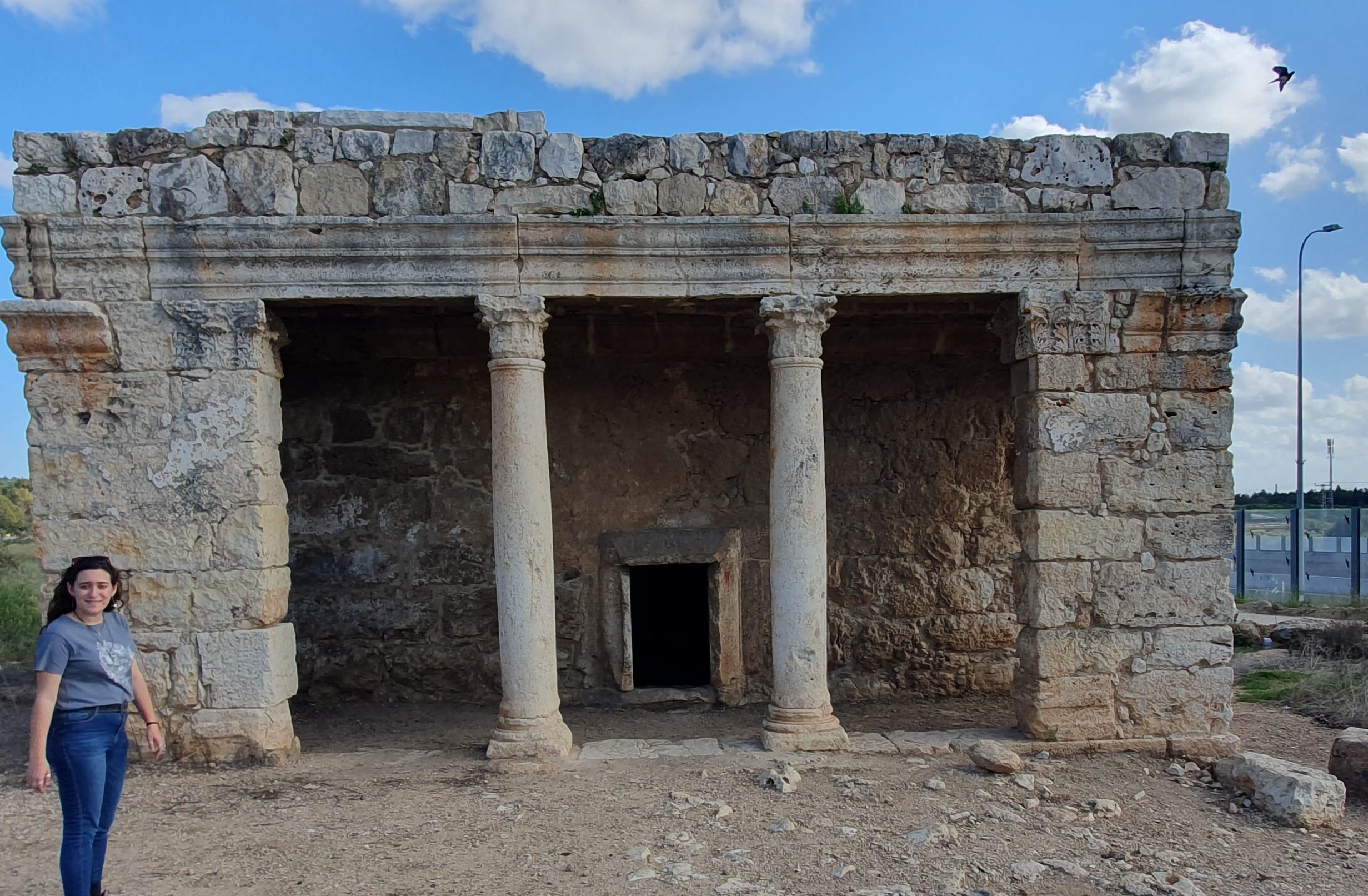
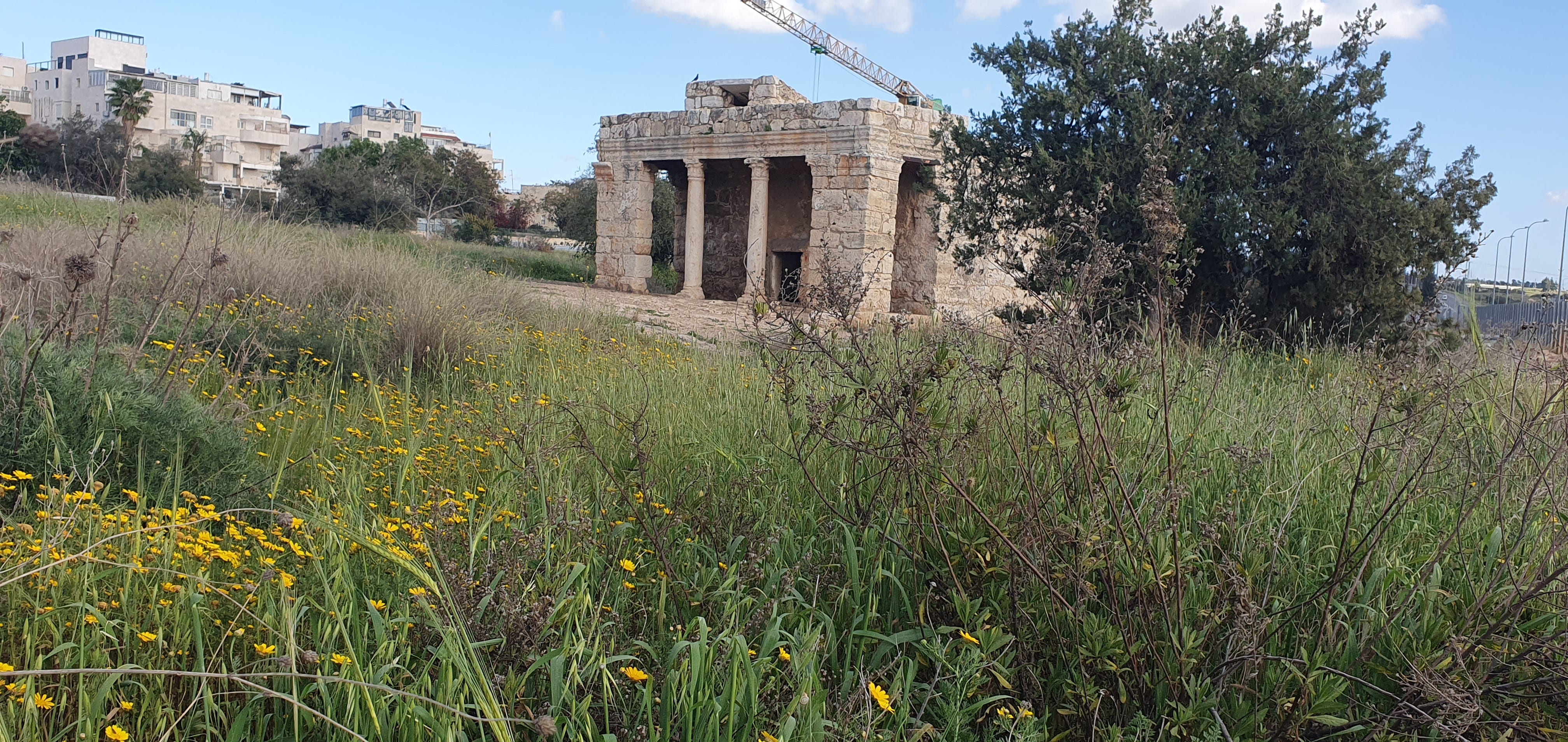
A really remarkable—to me breathtaking—sight, the Mazor Mausoleum stands to this day, close to the Via Maris, near the modern settlement of El’ad and Moshav Mazor, on what is now the main road number 444 from Elad to Shoham. The Mausoleum is a truly monumental structure enclosing a tomb—whose tomb, we don’t know, but clearly an important Roman and his family. However, as is the way with such tombs in the Levant, it was later taken by the local Arabs as commemorating Neby Yahyah—John the Baptist—attaching the Arab name of the building as Mukâm en Neby Yahyah, and it functioned as a mosque for the former adjacent Arab village of Al-Muzayri'a.
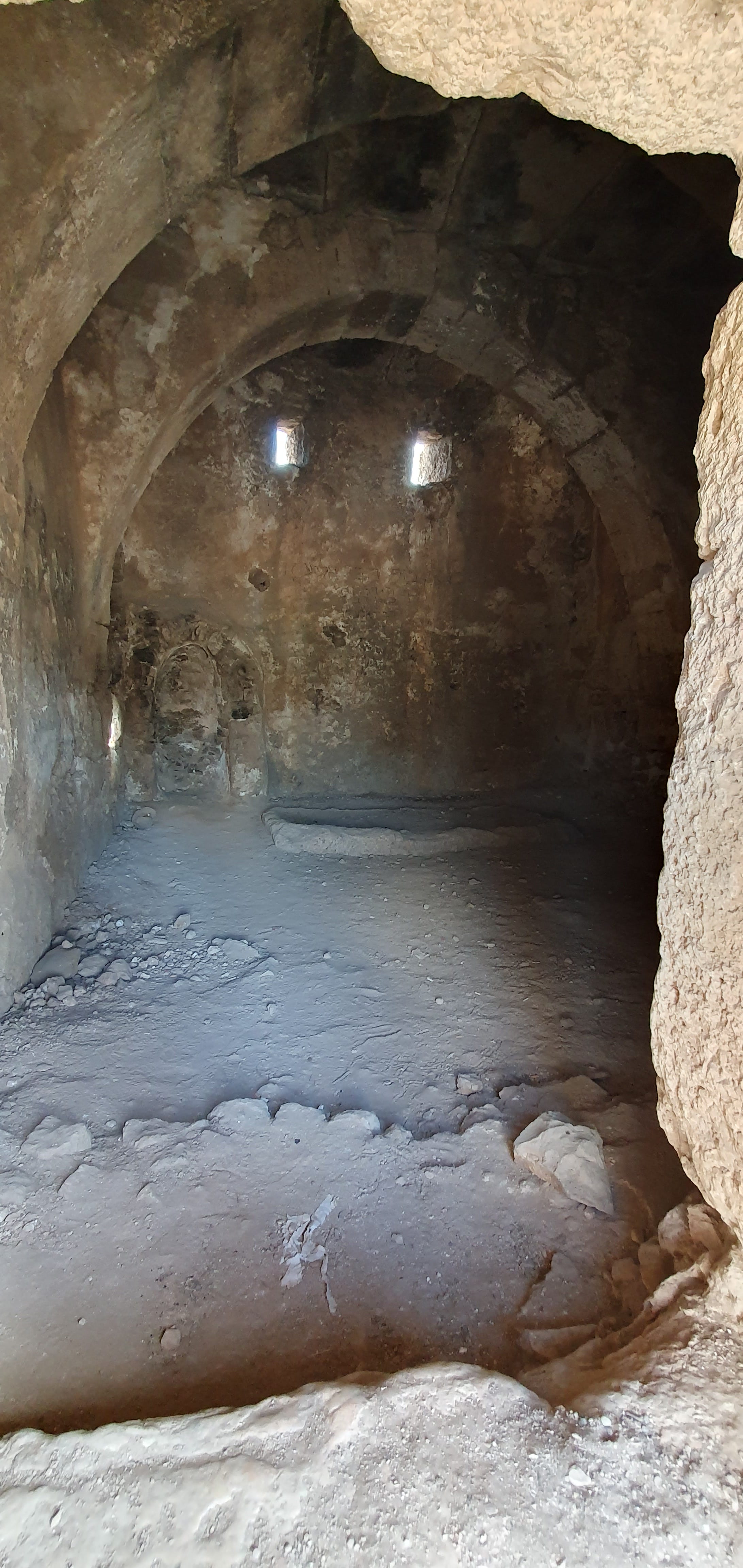
Built in the Hellenistic period and modified in the Roman period, about 300 CE, it is one of the oldest standing structures in Israel. Conder and Kitchener—in their 1882 Samaria volume of the Survey of Western Palestine, carried out for the Palestine Exploration Fund—write of visiting it on June 7th, 1873, thus:—
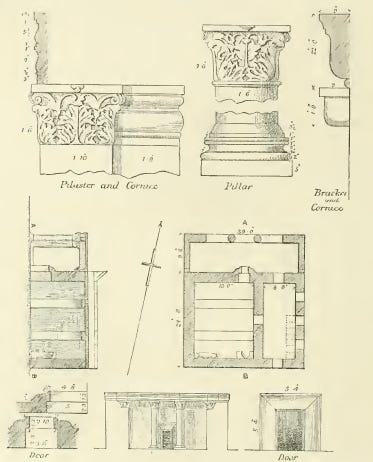
Mukâm en Neby Yahyah [is] One of the most curious monuments in the country. It was visited by Consul Finn in 1848 and 1859, by Major Wilson in 1866…[and] by the Survey party in 1872 and 1873. At the latter visit a plan and sketch of detail were made.
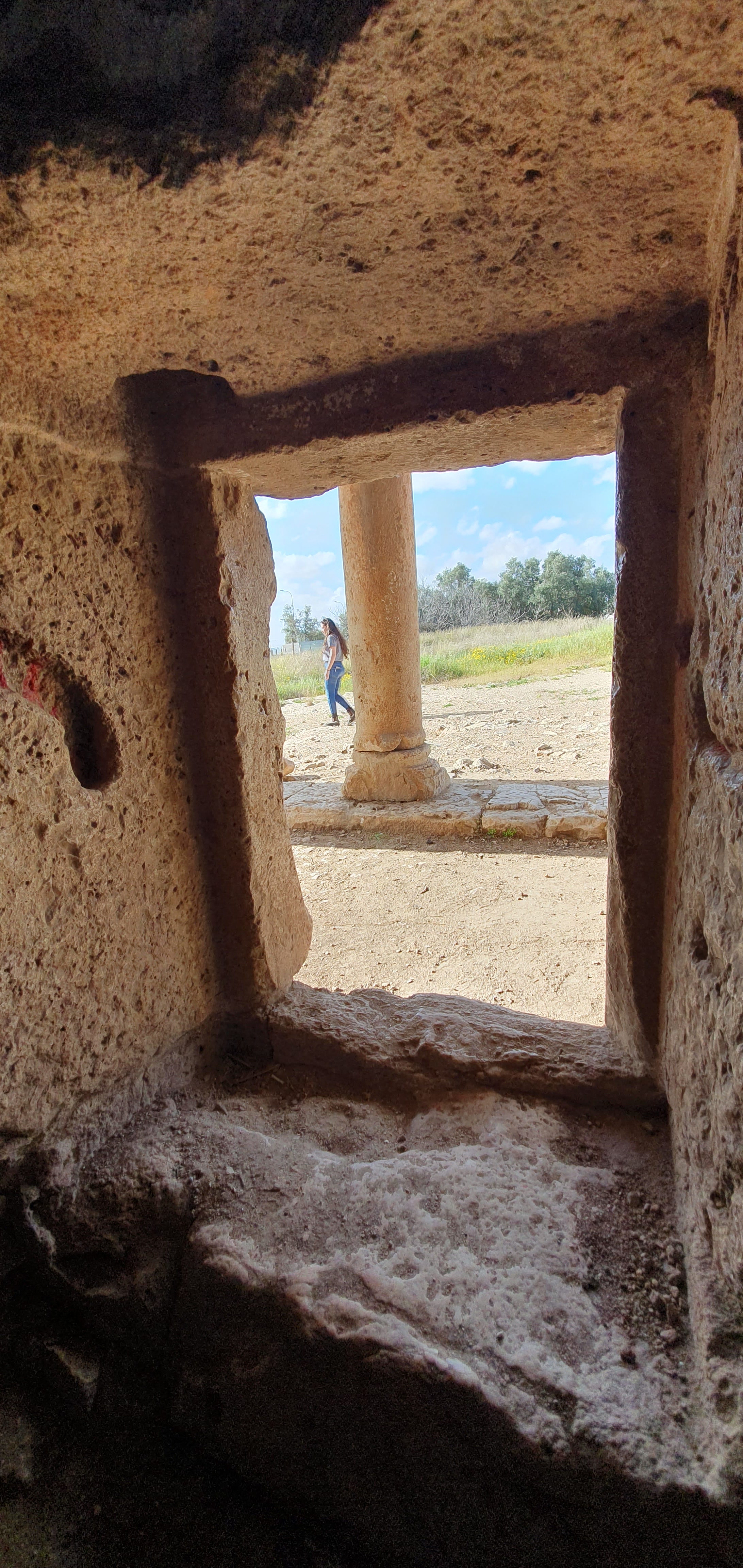
Conder and Kitchener gave its monumental dimensions as 30 by 24 feet (9m by 7.3m), with the portico measuring 30 feet by 9 feet and six inches (9m by 2.7m), and 14 feet and eight inches (4.5m) high. The pillar shafts have Corinthian capitals, and their shafts are nine feet (2.7m) long. They noted that there had originally been a second story, that a cenotaph and mihrab were clearly later (Arab) additions, and that the ‘little door’ (only about 4 feet by 3feet, or 1.2m by 1m), possessed moulding which ‘was the most curious feature of the building, and unlike any other monument found by the Survey party.’
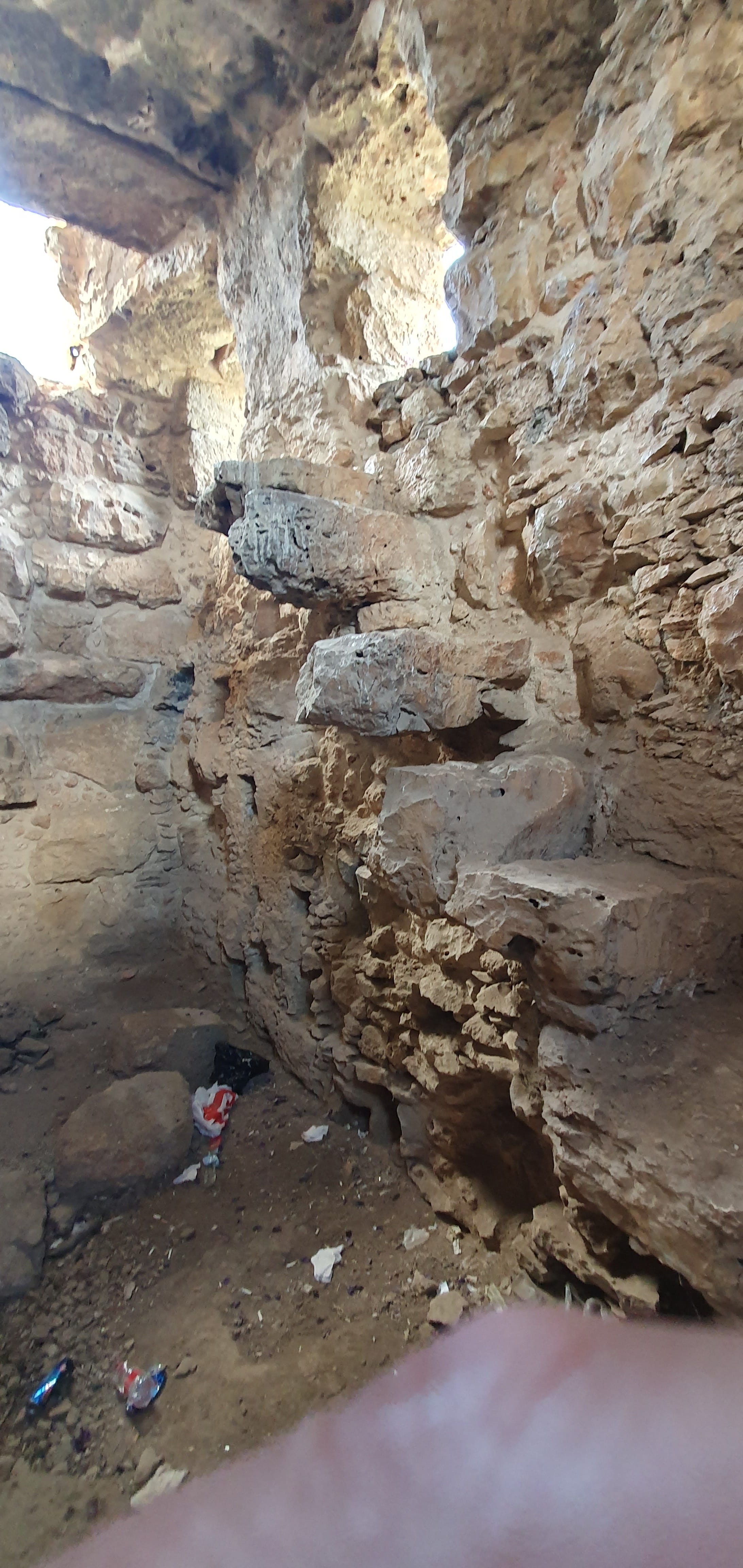
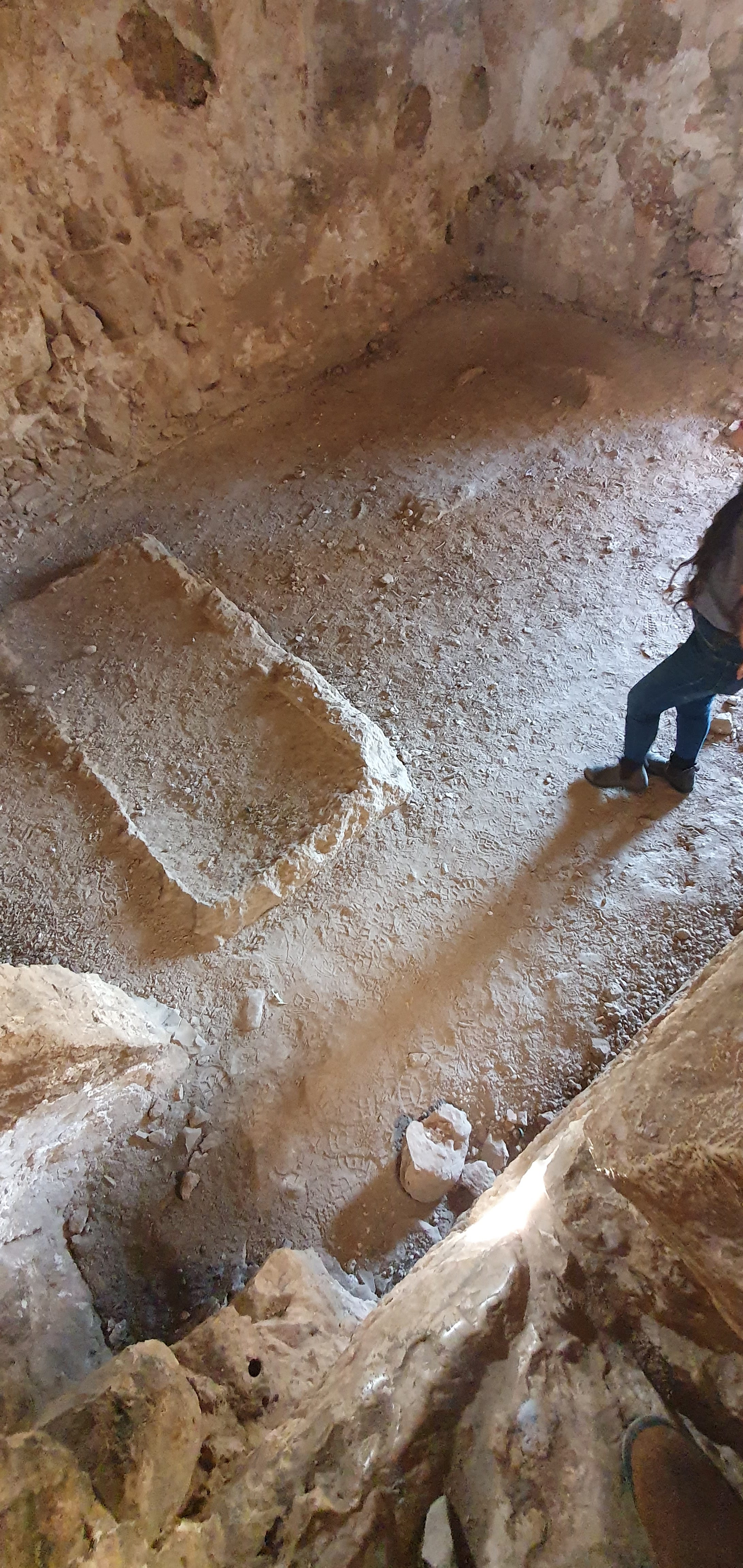
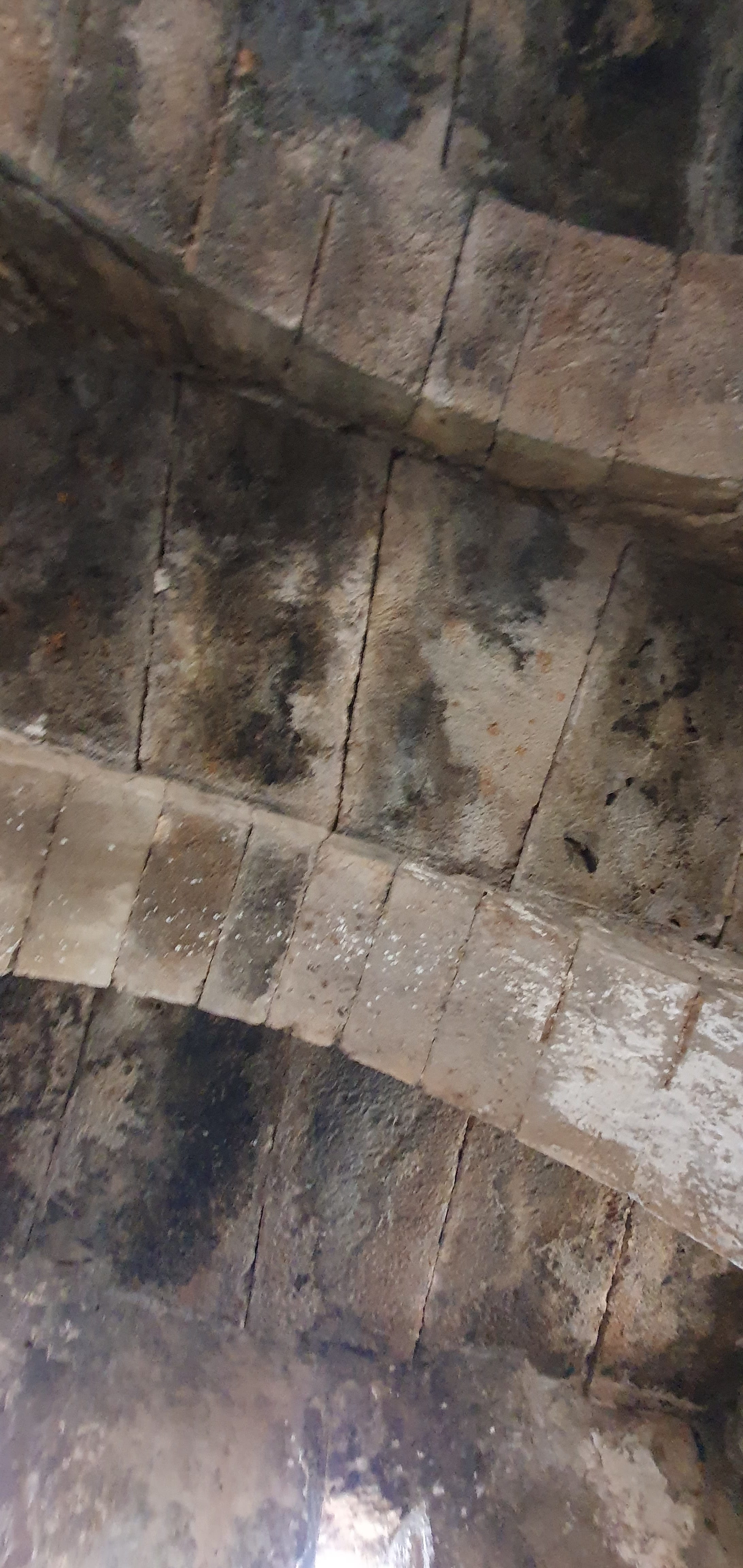
There is a staircase to an opening in the roof (or floor of the former second story) which is ‘a very hard cement mixed with pounded pottery’ such as they had noted at other sites such as Caesarea. There are two the remains of two destroyed sarcophagi, and ‘columbarium’ niches for storing urns with ashes of the deceased. Around the site are many burial caves and cisterns.